NWR Annual Half Marathon '24 - 1NWR Annual Half Marathon '24Register Now/Ai-/Ais Richtersveld Transfrontier Park/Ai-/Ais Richtersveld Transfrontier ParkExploreDorob National ParkDorob National ParkExploreEtosha National ParkEtosha National ParkExploreHardap National ParkHardap National ParkExploreNamib-Naukluft ParkNamib-Naukluft ParkExplorePopa Falls Game ParkPopa Falls Game ParkExploreSkeleton Coast National ParkSkeleton Coast National ParkExploreWaterberg Plateau ParkWaterberg Plateau ParkExploreOtherOtherExplore Eco Collection Dolomite Resort Onkoshi Resort Sossus Dune Lodge View AllClassic Collection /Ai-/Ais Hotsprings and Spa Okaukuejo Resort Halali Resort View AllAdventure Collection Torra Bay Campsite Hobas Lodge Naukluft Camp View AllNews Ministry of Environment, Forestry and Tourism & Namibia Wildlife Resorts Announce Sufficient Water Levels for Hiking Season at Fish River Canyon Windhoek, Namibia – 25 April 2024 – The Ministry of Environment, Forestry and Tourism,... Read More Namibia Wildlife Resorts Introduces Independence Special to Encourage Domestic Travel Windhoek, Namibia – 28 February 2024 – Namibia Wildlife Resorts (NWR) is pleased to announce... Read More Discover Namibia with Namibia Wildlife Resorts at ITB Berlin 2024 Book Now Namibia Wildlife Resorts (NWR), the custodian of Namibia's most enchanting wildlife... Read More View AllQuick Links About MICE Contact Namleisure Cards News /Ai-/Ais Richtersveld Transfrontier Park Dorob National Park Etosha National Park Hardap National Park Namib-Naukluft Park Popa Falls Game Park Skeleton Coast National Park Waterberg Plateau Park Other Terms and Conditions Terms and Conditions for Tour Operators Online Reservations Terms and Conditions Disclaimer Feedback Map
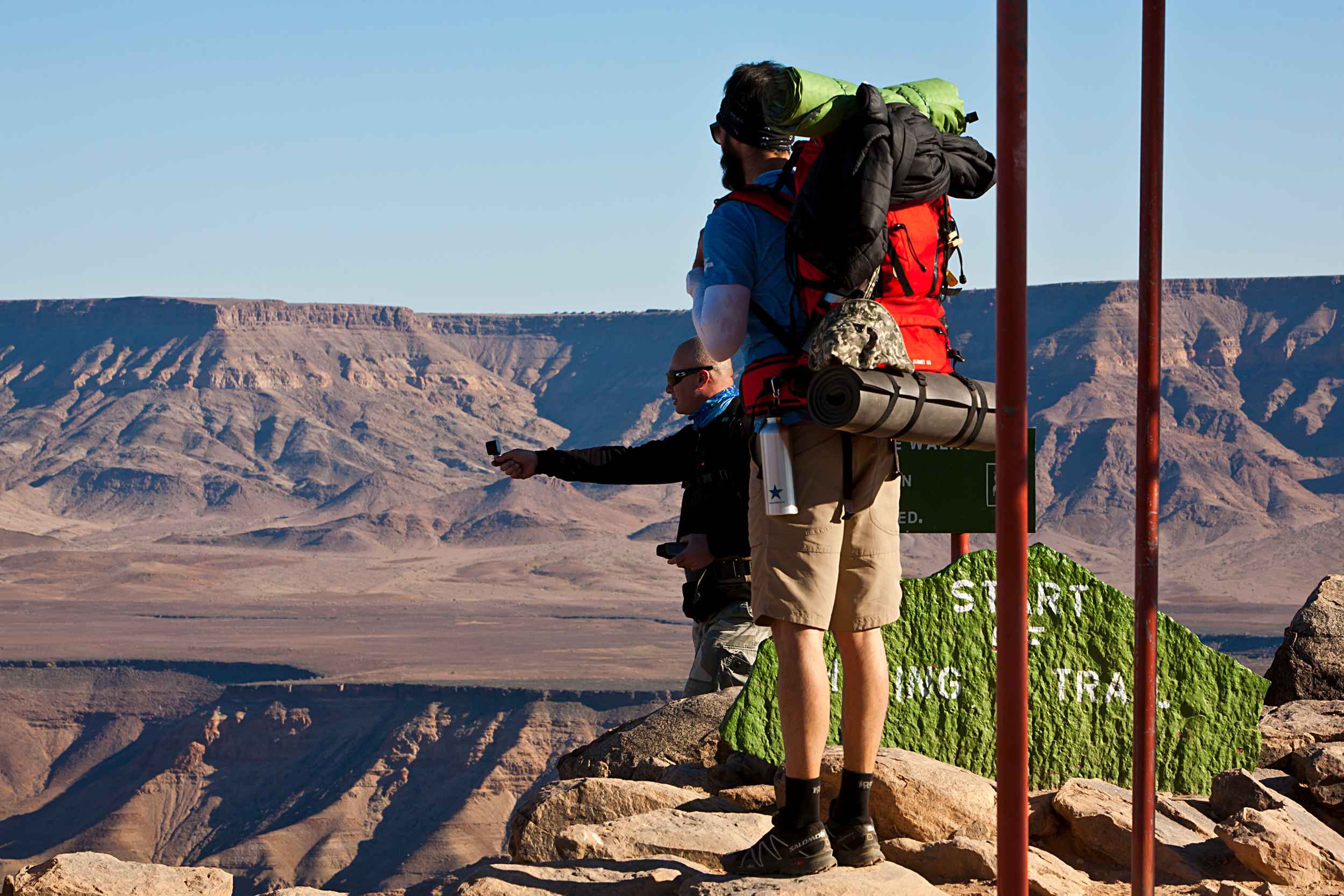
Ministry of Environment, Forestry and Tourism & Namibia Wildlife Resorts Announce Sufficient Water Levels for Hiking Season at Fish River Canyon Windhoek, Namibia – 25 April 2024 – The Ministry of Environment, Forestry and Tourism,... Read More
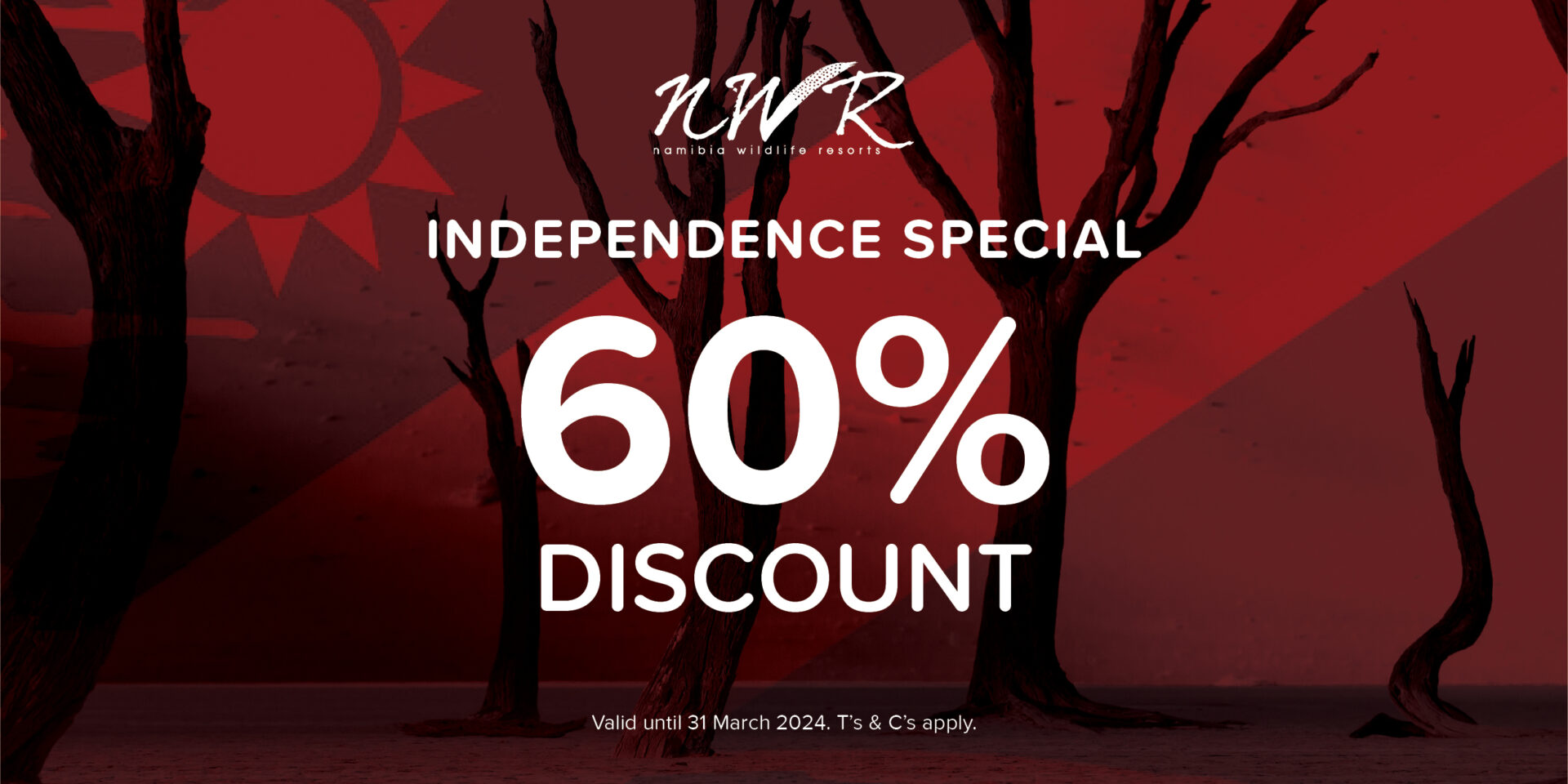
Namibia Wildlife Resorts Introduces Independence Special to Encourage Domestic Travel Windhoek, Namibia – 28 February 2024 – Namibia Wildlife Resorts (NWR) is pleased to announce... Read More
Discover Namibia with Namibia Wildlife Resorts at ITB Berlin 2024 Book Now Namibia Wildlife Resorts (NWR), the custodian of Namibia's most enchanting wildlife... Read More




 N$ 18.95
 N$ 23.82
 N$ 20.36